
Alpine Lady's Mantle, Alpine Alchemilla, Petit Pied de Lion, Mantelet des Alpes
Alchemilla alpina
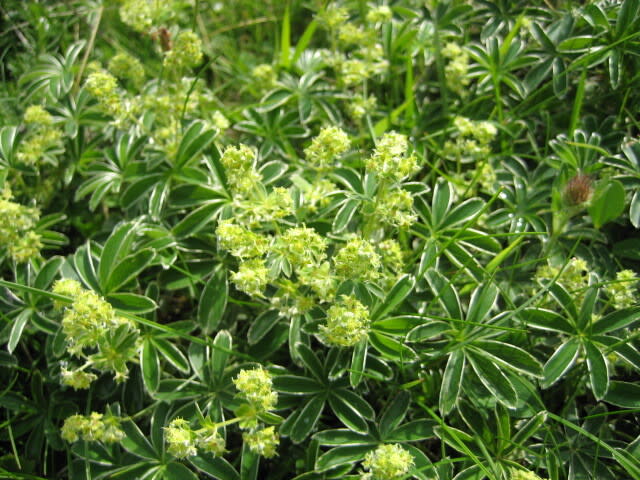
🌿 Morphology
🌞 Growing conditions
🌍 Origin and family
🌾 Uses
Warning: Despite the care taken in writing this sheet, it is essential to cross-reference sources before using or consuming any plant. When in doubt, consult a qualified professional
Permaculture uses
Alpine Lady's Mantle is primarily used as a ground cover and for erosion control on slopes due to its dense growth habit. It is also used as a companion plant to deter pests, though specific interactions are not well-documented. It has limited edible uses, as it is not palatable in large quantities but may be used in salads in very small quantities. Medicinally, it is astringent and can be used for minor wound care. No known cultivars particularly affect its permaculture use.
Permapeople description
Alchemilla alpina is a perennial herbaceous plant native to Europe. It is known for its silvery, fan-shaped leaves and small, greenish flowers.
Botanical description
Alchemilla alpina is a herbaceous perennial plant belonging to the Rosaceae family. It grows to a height of 5-20 cm. The leaves are palmate, composed of 5-7 leaflets which are deeply divided and silver-haired on the underside, giving a distinctive silvery sheen. The flowers are small, greenish-yellow, and arranged in dense clusters. It thrives in well-drained, slightly acidic soils in alpine and subalpine environments. The plant reproduces by seed and rhizomes. It is often found in grasslands, rocky slopes, and near streams.
Companion planting
While specific companion planting data for Alchemilla alpina is limited, Alchemilla species generally are considered good companions to brassicas and other vegetables, possibly due to their ability to attract beneficial insects or deter pests. It can be used as groundcover under taller plants. No known unfavorable associations are commonly reported.
Propagation methods
The primary methods of propagation include seed sowing and division of the rhizomes. Seeds can be sown in spring or autumn. Division is best done in spring or early autumn. Cuttings are not typically used.
History and traditions
Traditionally, Alchemilla species were associated with alchemy, hence the name. The dew collected on the leaves was believed to be a pure substance used in alchemical processes. In herbal medicine, Alchemilla alpina, like other Alchemilla species, has been used for wound healing, menstrual issues, and as an astringent. There isn't an extensive record of specific cultural traditions beyond its herbal uses and alchemical associations.
Usage calendar
Flowering occurs from June to August. Seed collection is typically in late summer to early autumn (August-September). Division is best done in early spring (March-April) or early autumn (September-October). Planting can be done in spring or autumn.